If you've been told you need reading glasses but already wear prescription lenses for distance, progressive lenses are almost certainly going to come up in conversation with your optometrist. They're the most commonly prescribed multifocal lens in the world — and for good reason.
This guide covers how progressive lenses actually work, what the adjustment period really feels like, how they compare to bifocals and reading glasses, and what you should expect to pay in Canada.
What Are Progressive Lenses?
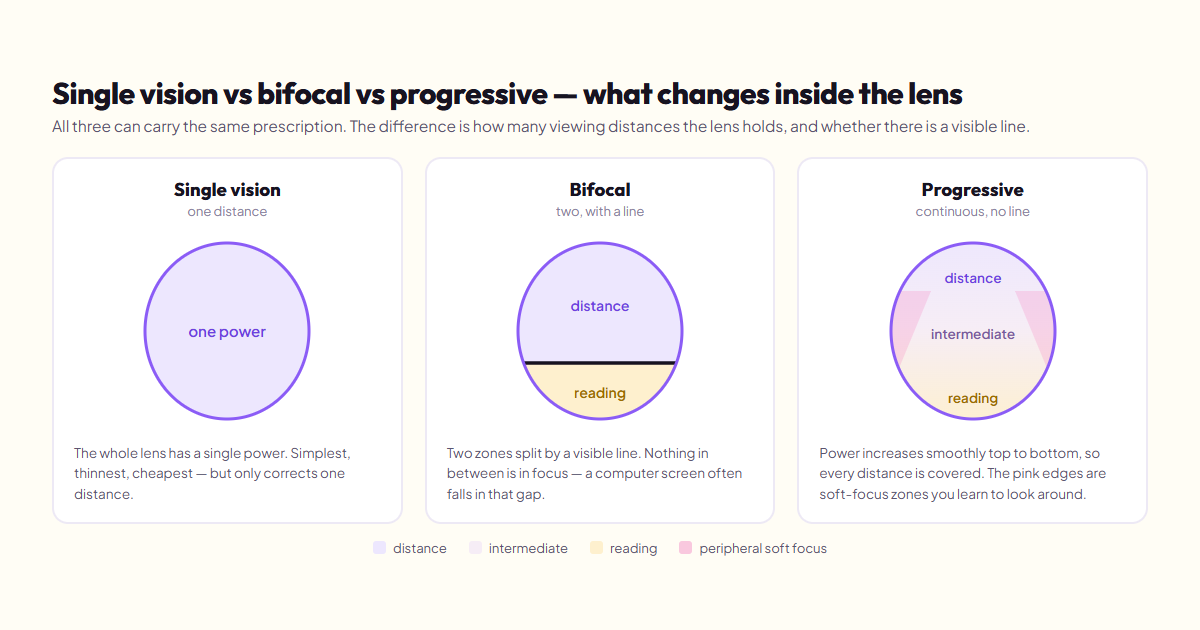
Progressive lenses are multifocal lenses that provide a smooth, continuous gradient of prescription power from the top of the lens to the bottom. Unlike bifocals (visible line) or trifocals (two lines), progressives blend the transition seamlessly.
Distance Zone (Top)
For driving, watching TV, and seeing across the room. The largest zone.
Intermediate Zone (Middle)
For computer work, dashboard, and arm's-length tasks. Bifocals lack this entirely.
Near Zone (Bottom)
For reading, texting, and close-up detail work. Your "add power" kicks in here.
Why the intermediate zone matters: In 2026, most of us spend hours at arm's length — computers, tablets, cooking. Bifocals skip this distance entirely. Progressives cover all three, which is why they've become the default for anyone over 40. Get your intermediate needs measured with a comprehensive eye exam at Charm Optical.
How Do Progressive Lenses Work?
The lens surface is asymmetrically curved — thicker at the bottom (reading power), thinner at the top (distance). A narrow "corridor" of clear vision runs vertically through the centre, connecting all three zones.
On either side of this corridor, the lens produces some optical distortion — an inherent trade-off. This is why people describe a slight "swimming" sensation when first wearing progressives.
Standard vs. Premium vs. Digital Freeform
Digital freeform progressives use computer-controlled surfacing to customize the lens to your exact prescription and wearing habits. The result: significantly wider clear zones and much easier adaptation.
The Adjustment Period: What to Expect
The adjustment period is the #1 concern — and it's completely valid. Here's what the first two weeks look like:
Days 1-3: The Learning Curve
Peripheral blur when glancing to the sides. Stairs feel slightly off. Some mild dizziness or a "rocking boat" sensation. This is normal.
Days 4-7: Building Habits
Your brain starts mapping the lens zones. You naturally begin pointing your nose at what you want to see. Dizziness fades. Reading gets comfortable.
Days 8-14: Adaptation Complete
Most wearers forget they're wearing progressives. Head movements are automatic. Your brain ignores the peripheral blur — just like it ignores your natural blind spot.
Adjustment Tips from Opticians
- Wear them full-time. Don't switch to old glasses — it resets your adaptation.
- Point your nose. Move your head toward what you're looking at.
- Take stairs carefully. Lower your chin to use the distance zone.
- Be patient. Still struggling after 2 weeks? Go back to your optician at Charm Optical — the fitting may need adjustment.
Progressive Lenses vs. Bifocals vs. Reading Glasses
Progressive Advantages
- All three distances in one lens
- No visible line — looks like regular glasses
- Intermediate zone for computers
- One pair for everything
- Modern, cosmetically appealing
Progressive Trade-offs
- 1-2 week adjustment period
- Peripheral distortion (inherent)
- More expensive than bifocals
- Requires professional fitting
- Narrow reading zone on standard tiers
For most people over 40 who already wear distance glasses, progressives are the best all-in-one solution. Need affordable readers instead? Charm Optical has budget-friendly options too.
Who Needs Progressive Lenses?
Progressive lenses are designed for people with presbyopia — the age-related loss of near focusing ability that affects virtually everyone starting around age 40-45.
Already Wear Distance Glasses
Starting to hold your phone farther away? Time for progressives.
Heavy Screen Users
Computer + distance correction in one pair. No more swapping.
Tired of Two Pairs
One pair replaces distance glasses + reading glasses.
Want No Visible Line
Progressives look like regular glasses. No bifocal line.
An eye exam with a qualified optometrist is the only way to know for sure. The exam measures your add power — the extra magnification for near tasks. If your add power is +0.75 or higher, progressives are typically recommended. Book at Charm Optical →
Choosing the Right Frame for Progressives
Frame selection matters more with progressives because the lens needs enough vertical height for all three zones.
Great progressive-compatible frames at Charm Optical:
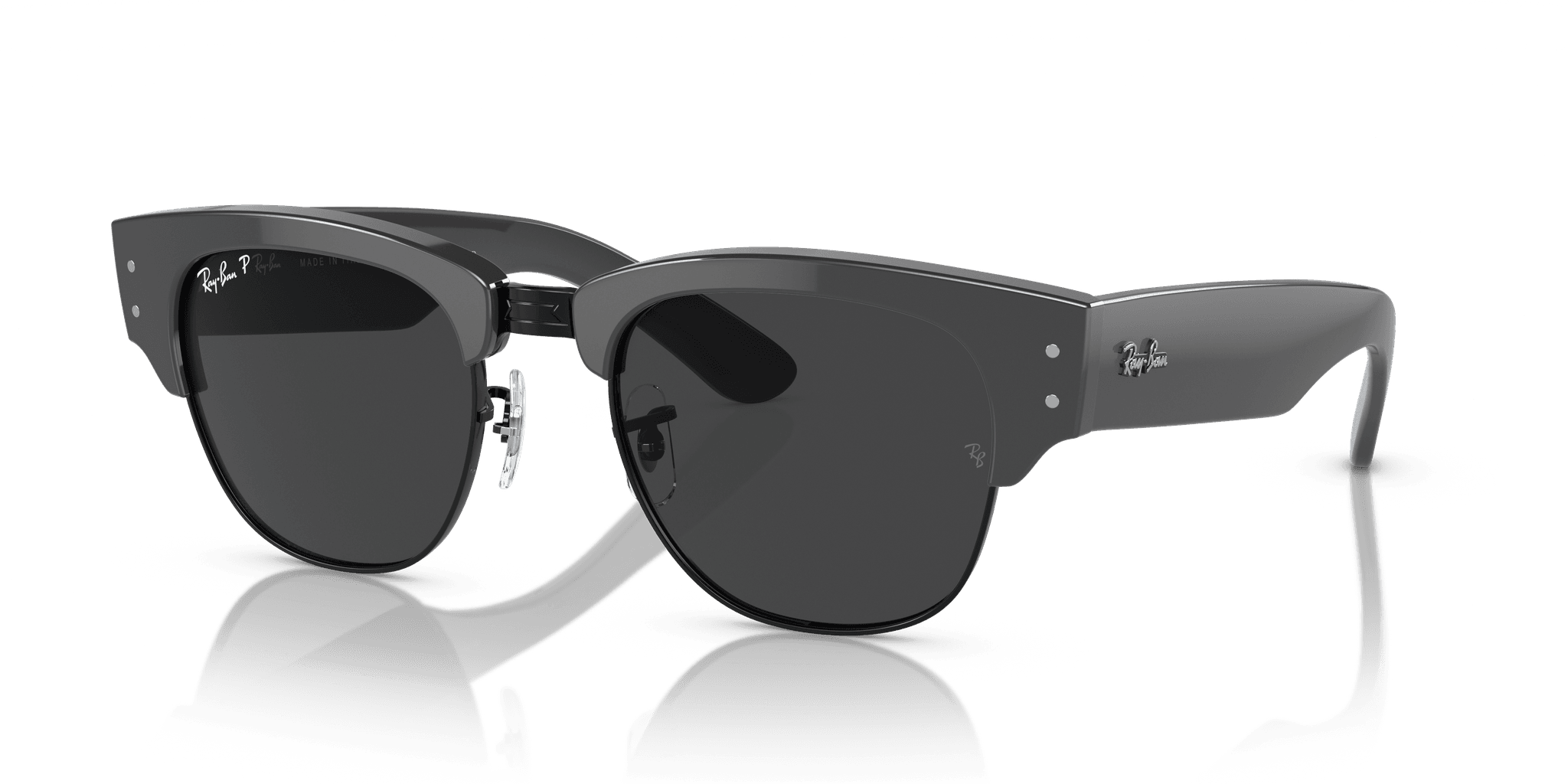
Classic designs with generous lens heights
Wide corridors, timeless style. Perfect for progressives.
Shop at Charm Optical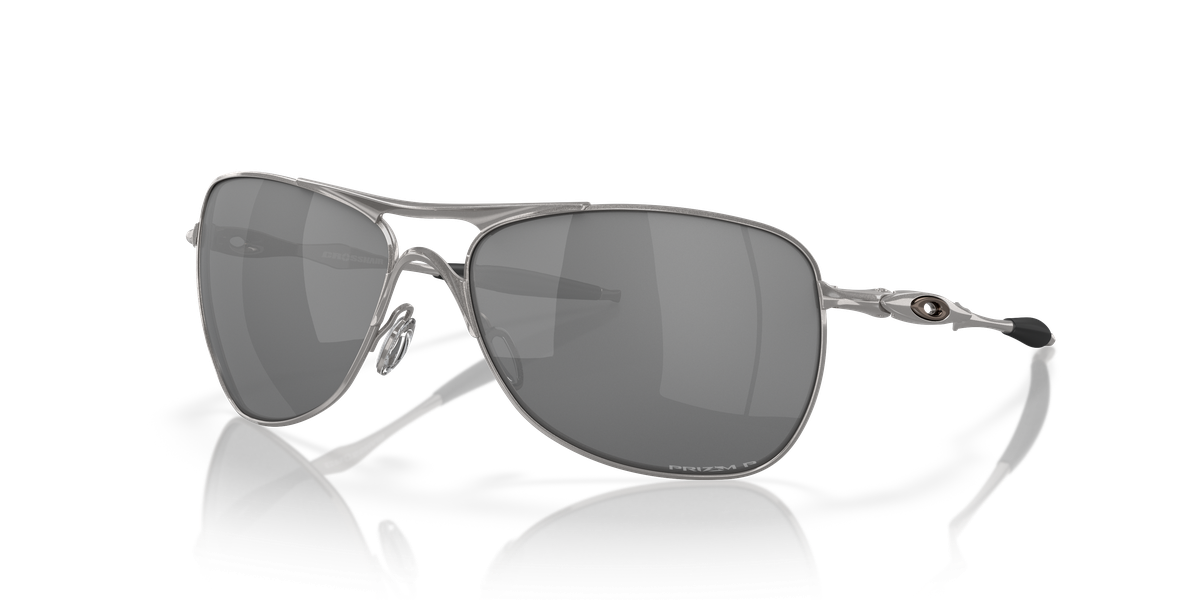
Sport & lifestyle with wide viewing areas
Lightweight, durable, and progressive-friendly.
Shop at Charm Optical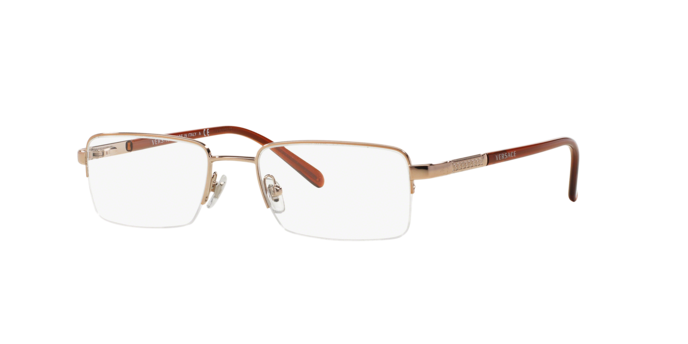
Premium aesthetics, progressive-ready
Bold Italian luxury with tall lens areas.
Shop at Charm Optical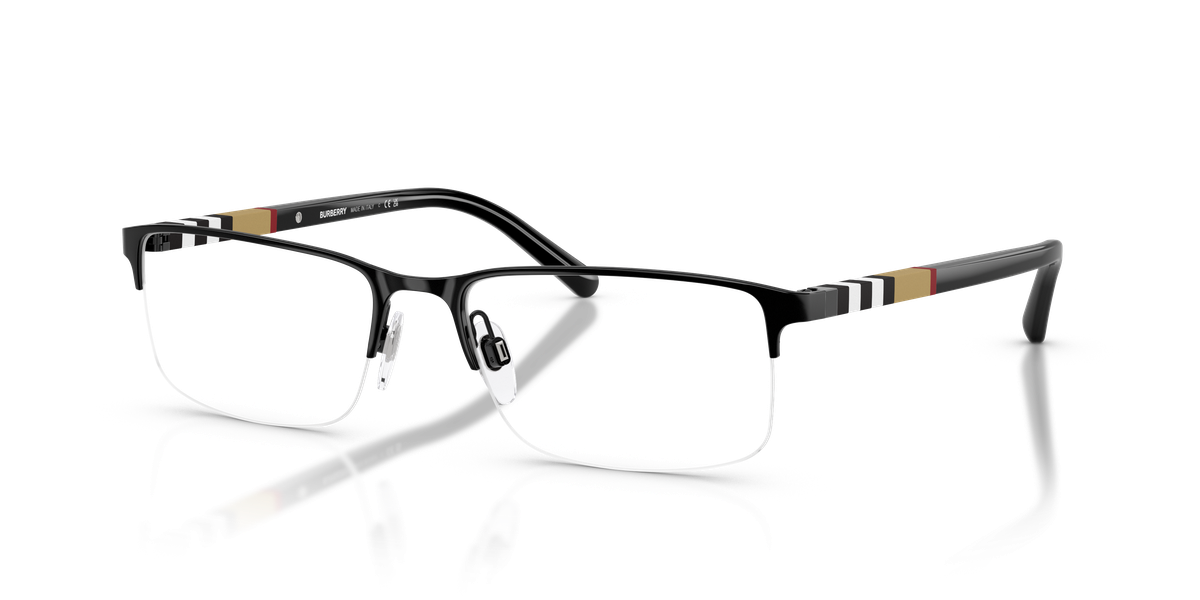
Refined British style
Excellent for progressives. Elegant proportions.
Shop at Charm Optical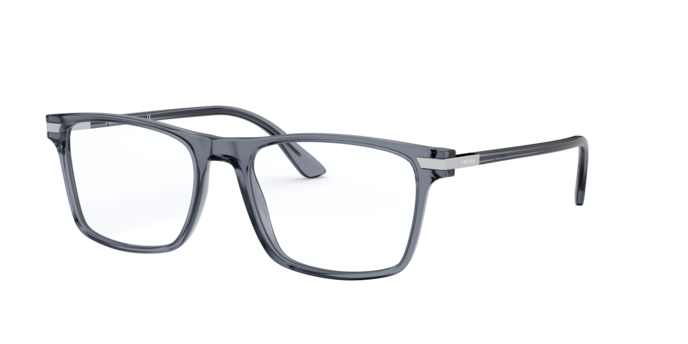
Modern Italian luxury
Architectural shapes with ample lens height.
Shop at Charm OpticalBrowse the full collection
500+ frames from 20+ designer brands.
Browse All at Charm OpticalProgressive Lenses and Insurance in Canada
Alberta Blue Cross
Typically covers prescription lenses including progressives under optical benefit.
Canada Life
Plans often include lens upgrades as part of annual eyewear allocation.
Desjardins
Optical coverage varies by plan but generally includes multifocal lenses.
Most Employer Plans
Cover $200-$500 toward frames + lenses every 1-2 years.
Direct billing = less hassle. Charm Optical direct-bills most Alberta insurance providers — you only pay the difference at the counter. Check your insurance coverage before your appointment.
Common Myths About Progressive Lenses
Myth: "I'll never get used to them"
Over 90% of first-time progressive wearers adjust successfully within two weeks. The key is consistent wear and proper fitting.
Myth: "Only for old people"
Presbyopia begins at 40-45. Many professionals in their early 40s find progressives essential. See current progressive lens trends.
Myth: "I can buy online without fitting"
Risky. Progressives require precise pupillary distance and segment height measurements. Always get fitted in person by a licensed optician.
The Bottom Line
Progressive lenses are the gold standard for multifocal correction — clear vision at every distance in a single, line-free lens. The adjustment period is real but manageable, the technology has improved dramatically, and insurance typically covers a significant portion.
If you're over 40 and close-up tasks are getting harder, book an eye exam to get your prescription checked. Your optometrist can measure your add power and determine whether progressives, bifocals, or reading glasses make the most sense.
Ready for Progressive Lenses?
Charm Optical in South Edmonton carries premium progressive lenses from top brands. 500+ frames to choose from. Direct insurance billing. Professional fitting included.
Visit Charm OpticalFrequently Asked Questions
Sources & Further Reading
- National Eye Institute — Eye health and vision correction resources
- American Academy of Ophthalmology — EyeSmart — Peer-reviewed eye health information
- Canadian Association of Optometrists — Canadian guidelines on vision care
- American Optometric Association — Professional lens and eyeglass guidance
- American Academy of Ophthalmology — Presbyopia — Medical overview of age-related near vision loss